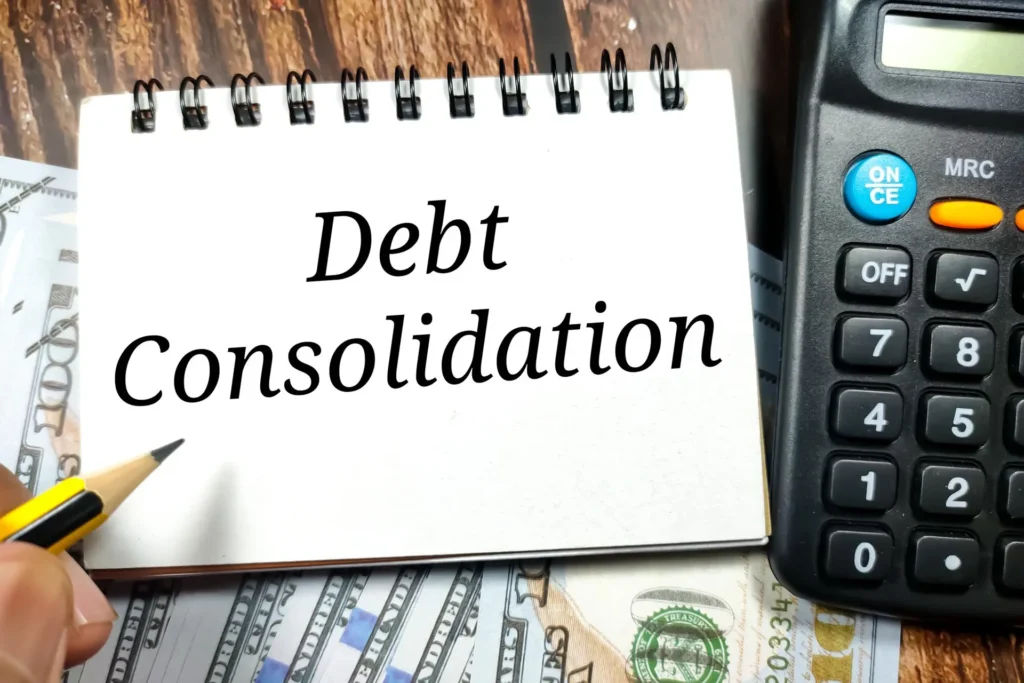

Debt consolidation is a financial strategy where multiple debts are combined into a single loan or payment plan. The main goal is to simplify repayment and potentially reduce interest costs.
Experts suggest that debt consolidation can be helpful—but only under the right financial conditions. It is not a one-size-fits-all solution.
What is Debt Consolidation?
Debt consolidation means combining multiple debts such as:
- Credit card balances
- Personal loans
- Medical bills
- Other unsecured debts
into one single monthly payment, usually through a personal loan or balance transfer.
This makes debt easier to manage and may lower interest rates depending on eligibility.
Is Debt Consolidation a Good Idea? (Quick Answer)
Debt consolidation can be a good idea if it lowers your interest rate, simplifies payments, and you avoid taking on new debt. However, it is not helpful if your spending habits don’t change or if the new loan has high fees or interest.
When Debt Consolidation is a Good Idea
1. When You Get a Lower Interest Rate
The biggest advantage is reducing interest costs. If the new loan has a lower rate than your current debts, you may save money and repay faster.
2. When You Want Simpler Payments
Instead of managing multiple due dates, you make one fixed monthly payment, which improves budgeting and reduces missed payments.
3. When You Have Stable Income
A steady income ensures you can consistently repay the consolidated loan without defaulting.
4. When You Have Good Credit
Better credit scores usually help you qualify for:
- Lower interest rates
- Better loan terms
- Reduced fees
When Debt Consolidation is NOT a Good Idea
1. If You Don’t Fix Spending Habits
Debt can return quickly if you continue using credit cards after consolidation.
2. If Fees Are Too High
Some loans include:
- Origination fees
- Balance transfer fees
- Hidden charges
These can reduce savings significantly.
3. If You Don’t Qualify for Lower Interest Rates
If the new rate is similar or higher than existing debts, consolidation offers little benefit.
4. If You Risk Longer Repayment Terms
Lower monthly payments may extend repayment time, which can increase total interest paid.
Pros of Debt Consolidation
1. Easier Financial Management
One payment replaces multiple debts.
2. Potential Interest Savings
Lower interest rates can reduce total repayment cost.
3. Better Credit Organization
Timely payments on a single loan may improve credit score over time.
Cons of Debt Consolidation
1. Possible Higher Total Cost
Longer repayment periods can increase overall interest.
2. Credit Requirements
Good credit is often needed for better rates.
3. Risk of More Debt
Freed-up credit limits can tempt overspending.
4. Fees and Charges
Some loans reduce the benefit due to upfront costs.
Debt Consolidation vs Other Debt Solutions
| Factor | Flat Fee Model | Contingency Model |
|---|---|---|
| Cost Type | Fixed per account | Percentage of recovery |
| Risk | Paid even if no recovery | Paid only if successful |
| Best for | Small or new debts | Larger or older debts |
| Incentive | Lower motivation for agency | High motivation for recovery |
Expert Insight
Financial experts generally agree that debt consolidation works best when it is part of a disciplined financial plan—not a quick fix. Without behavioral change, it may only shift debt instead of solving it.
Conclusion
Debt consolidation can be a good idea if it reduces interest, simplifies repayment, and is supported by strong financial discipline. However, it can become ineffective or even harmful if used without a clear repayment strategy or if new debt is accumulated afterward.
Frequently asked questions (help)
Is debt consolidation a good idea for everyone?
Does debt consolidation hurt your credit?
It may temporarily affect credit due to loan inquiries but can improve it long-term if payments are made on time.
What is the main benefit of debt consolidation?
Lower interest rates and simplified monthly payments.
What is the biggest risk of debt consolidation?
Accumulating new debt after paying off old balances.
Can debt consolidation save money?
Yes, if the new interest rate is lower than existing debts.
When should you avoid debt consolidation?
When fees are high or you cannot control spending habits.
Is debt consolidation better than debt settlement?
Yes for credit health, but only if you qualify and manage payments responsibly.