

Table Of Contents:
- Tips for Creating More Competent Agents
- Key Takeaways
- Refining Agent Selection for Higher Competency
- Foundational Agent Training Tips for Skill Development
- Advancing Agent Performance Improvement Strategies
- Cultivating Highly Competent Agents Through Ongoing Support
- Effective Agent Training Tips for Specialized Scenarios
- Measuring and Enhancing Agent Competency Systematically
- Fostering a Culture of Excellence for Competent Agents
- Final Thoughts
- Frequently Asked Questions
Tips for Creating More Competent Agents
Key Takeaways
- Competent agents are developed by careful selection, robust training, and continuous performance improvement.
- Effective onboarding, role-playing, and measurable benchmarks help agents grow their skills.
- Ongoing support, regular feedback, and a culture of excellence are key to maintaining high agent competency.
Refining Agent Selection for Higher Competency

Effective agent selection lays the foundation for a successful call center team. Organizations must focus on identifying agents with the right mix of technical competence, effective communication, and cultural alignment. The process begins by identifying key traits of proficient agents. These traits include active listening, empathy, fast problem-solving skills, and a natural curiosity about customer needs. Implementing scenario-based skill assessments provides a realistic preview of how candidates will handle live interactions. Additionally, assessing cultural fit ensures that new hires work well with existing team members and share the organization’s core values. Checking references for past performance also offers valuable insights and confirms a candidate’s history in delivering quality customer service. This multi-faceted selection process minimizes risk and builds a solid foundation for overall efficiency, especially in a call center for small business.
Identify Key Traits of Proficient Agents

In today’s dynamic call center environment, success hinges not just on systems and processes, but on the people behind them. A bustling workspace with engaged employees collaborating around sleek desks — each one proudly bearing the Dazonn Assist branding — is more than a visual statement. It reflects a commitment to excellence in customer service driven by effective agent selection and teamwork.
At the core of exceptional customer service is the ability to connect with people. This begins with identifying candidates who naturally exhibit critical soft skills. Among the most essential are:
services.
- Empathy: Proficient agents are able to place themselves in the customer’s shoes, understanding their concerns and emotions. This human connection not only de-escalates tension but also builds trust and rapport, which are key to customer satisfaction and loyalty.
- Effective Communication: Clarity, tone, and active listening are hallmarks of strong communication. A proficient agent must convey information precisely while also being receptive to what the customer is truly expressing — even when it’s between the lines.
- Problem-Solving Ability: Whether the issue is technical or procedural, great agents approach each customer interaction with a solution-oriented mindset. They are quick thinkers, capable of navigating internal systems, policies, and customer emotions to reach satisfactory resolutions efficiently.
- Patience: Not all customers are calm, and not all problems are simple. Patience allows agents to handle repetitive questions, frustrated callers, and long processes without becoming flustered or reactive.
- Calm Under Pressure: In high-volume or escalated situations, maintaining composure is crucial. Proficient agents keep a level head, ensuring that stress does not impact the quality of their service or the tone of their communication.
- Adaptability: Customer needs can change quickly, and no two interactions are the same. Skilled agents adjust their approach based on the context, customer behavior, and company protocols to deliver personalized and effective service.
- Team Collaboration: While customer service often feels like a one-on-one experience, agents thrive best in an environment where collaboration is encouraged. Sharing insights, supporting colleagues during peak hours, and learning from each other strengthens the entire operation.
These competencies aren’t always visible on a résumé. That’s why behavioral interviews and simulated customer service scenarios play a critical role in the recruitment process. Through these tools, hiring managers can assess how a candidate reacts under pressure, navigates difficult conversations, and contributes to team dynamics — ensuring that only the most capable and customer-focused individuals join the team.
In conclusion, proficient call center agents combine emotional intelligence with strategic thinking. They embody the values of empathy, clarity, resilience, and teamwork. Within environments like those championed by Dazonn Assist, these traits are not just encouraged — they are essential to delivering the high-quality, consistent service that customers expect and deserve.
Implement Scenario-Based Skill Assessments
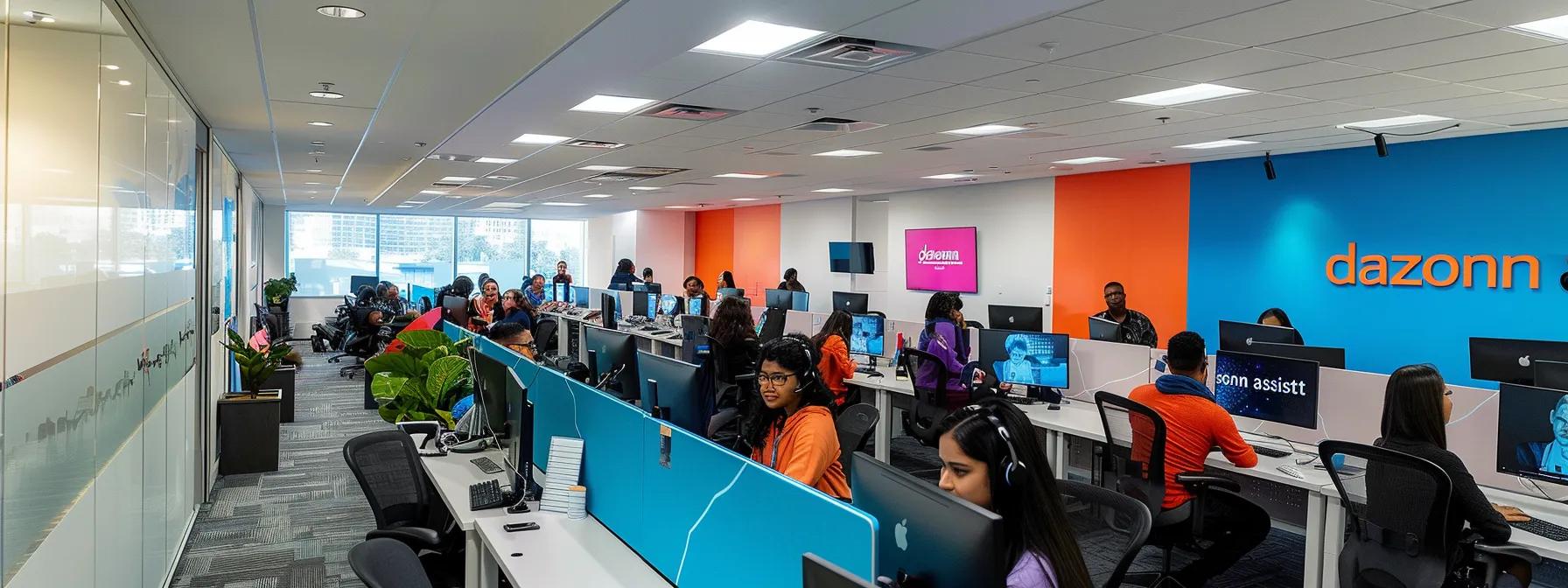
In a vibrant call center environment, the energy is palpable. Focused employees engage in lively role-playing exercises, practicing real-world customer scenarios against a backdrop of motivational quotes and the bold, professional branding of Dazonn Assist displayed proudly on the walls. This immersive setting underscores a fundamental truth: foundational training and effective communication are not optional — they are mission-critical for success in modern customer service.
One of the most powerful tools in the recruitment and training arsenal is the scenario-based skill assessment. These simulations go beyond traditional interviews or multiple-choice tests. They place candidates in realistic customer interaction environments, requiring them to think, react, and resolve issues just as they would on a
.
What Scenario-Based Assessments Involve
Candidates are presented with detailed, sometimes unpredictable, customer scenarios — ranging from billing disputes and technical problems to emotionally charged complaints or service outages. Their task is to navigate the conversation from start to finish using both technical proficiency and soft skills like empathy, composure, and clarity.
These exercises evaluate:
- Critical Thinking & Adaptability: How does the candidate respond when the conversation shifts unexpectedly? Do they adjust their tone and tactics accordingly?
- Problem-Solving Ability: Can they identify the root cause of the issue and offer a practical solution within company policy?
- Communication Skills: Are they clear, concise, and courteous under pressure? Can they explain solutions in customer-friendly language?
- Decision-Making: When presented with multiple options, which path do they choose, and can they justify it?
- Stress Management: Can they maintain professionalism and emotional control during high-stress moments or difficult customer behavior?
Why Scenario-Based Assessments Matter
Unlike theoretical testing, these simulations reveal how a candidate might truly perform in the role. They offer a 360-degree view of the applicant’s abilities — not just what they know, but how they apply that knowledge in real time.
More importantly, the experience is interactive and engaging. It reflects the fast-paced, emotionally nuanced environment of a real
. Candidates must listen actively, think quickly, and respond with both logic and empathy — exactly what will be expected of them on the job.
Insights and Continuous Improvement
After each simulation, detailed feedback is gathered. Recruiters and trainers can assess key performance metrics, such as tone control, resolution efficiency, and policy adherence. This information allows for:
.
- Targeted hiring decisions, based on measurable performance
- Customized training plans, focusing on areas where a candidate shows potential but needs growth
- Better team alignment, ensuring that new hires meet the communication and service standards of the organization
The feedback loop also benefits the candidate, who gains a clearer understanding of the role and expectations before stepping into live service. It sets a tone of continuous learning — a hallmark of top-performing teams.
Assess Cultural Fit for Team Cohesion

n a vibrant call center scene, the energy of a well-synchronized team is unmistakable. Employees sit at their desks, fully engaged, eyes fixed on screens displaying live performance metrics. Around them, walls are adorned with motivational quotes and Dazonn Assist’s dynamic branding, reinforcing a shared mission and company identity. Beyond individual performance, what truly drives excellence in this environment is something less tangible but deeply impactful: cultural fit.
Why Cultural Fit Matters
While skills and experience are critical, cultural alignment is what transforms a collection of individuals into a cohesive, high-performing team. Proficient agents don’t just meet KPIs — they reflect the values, behaviors, and mindset of the organization. When team members share the company’s core values and team-centric outlook, collaboration improves, morale strengthens, and customer interactions become more consistent and empathetic.
Cultural fit influences:
- Team Cohesion: Aligned values lead to mutual respect and smoother collaboration.
- Employee Retention: Individuals who resonate with the company culture are more likely to stay and thrive.
- Customer Satisfaction: A consistent cultural tone across agents builds trust and enhances the overall customer experience.
- Workplace Atmosphere: Shared attitudes foster a positive and productive environment.
How to Assess Cultural Fit
To accurately evaluate cultural alignment, organizations like Dazonn Assist go beyond traditional interviews. Here are key strategies used to assess cultural fit during recruitment:
- Group Interviews and Activities Prospective agents participate in team-based scenarios where recruiters observe their behavior in collaborative settings. These exercises test communication styles, willingness to contribute, and how candidates respond to peer feedback — all of which provide insights into their compatibility with the existing team dynamic.
- Teamwork and Conflict Resolution Assessments Candidates may be presented with hypothetical or past workplace conflict scenarios to gauge how they approach challenges, differing opinions, and shared responsibilities. This helps identify those who resolve issues constructively and maintain a solutions-focused mindset.
- Behavioral Interviews Focused on Values Interview questions are designed to explore a candidate’s past behaviors and decisions, especially in team environments. For example: “Tell me about a time you had to support a teammate under pressure. How did you handle it?” Answers reveal not only experience but also attitudes toward teamwork, accountability, and empathy.
- Alignment with Organizational Mission Recruiters explore how well candidates understand and support the company’s mission. Asking what the company’s values mean to them — and how they might reflect those values in customer interactions — helps determine whether their personal philosophy matches that of the organization.
The Long-Term Impact of Cultural Fit
When cultural fit is prioritized, the benefits extend far beyond the hiring phase:
- Faster Onboarding: Employees who “get” the company culture acclimate more quickly.
- Stronger Engagement: A shared mission enhances motivation and focus.
- Improved Performance: Cohesive teams tend to outperform mismatched groups, especially under pressure.
Cultural fit doesn’t mean hiring identical personalities — it means building a diverse team united by shared values and collaborative spirit. It’s about finding agents who thrive in the unique environment that Dazonn Assist fosters — one rooted in excellence, respect, teamwork, and continuous growth.
Check References for Past Performance Insights

In a dynamic call center environment alive with the rhythm of ringing phones and the hum of conversation, agents sit focused at their desks. The atmosphere is energized, with vibrant walls emblazoned with Dazonn Assist’s branding and motivational messaging that reminds everyone of their collective mission: delivering exceptional customer experiences. But behind each engaged agent is a thoughtful hiring process — one that includes a critical yet often underestimated step: checking references.
Why Reference Checks Matter
Reference checks provide more than just routine confirmations — they deliver a documented, real-world history of a candidate’s performance, behavior, and attitude in past roles. While resumes and interviews give you a candidate’s perspective, references offer an external validation of the skills, traits, and experiences listed on paper.
This step is especially valuable in call center environments where high employee turnover, variable soft skill levels, and team performance directly impact service quality. By reaching out to former supervisors or colleagues, hiring managers gain key insights into:
- Communication Style and Interpersonal Skills Did the candidate effectively communicate with customers and team members? Were they known for being empathetic and professional under pressure?
- Reliability and Work Ethic Was the candidate punctual, dependable, and able to meet performance targets consistently?
- Problem-Solving and Technical Abilities How well did the candidate handle complex issues, use internal tools, or navigate CRM systems?
- Cultural and Team Fit Did they contribute positively to team morale? Were they collaborative, adaptable, and aligned with the company’s values?
- Growth Potential and Coachability Did the candidate accept feedback constructively and strive to improve?
How to Conduct Effective Reference Checks
To get the most value from this process, reference checks should be structured, specific, and strategic. Some best practices include:
- Prepare Targeted Questions Focus on key performance areas relevant to the role. For example:
- “Can you describe how the candidate handled customer complaints?”
- “How did they perform under high call volumes or stressful situations?”
- “Would you rehire this individual? Why or why not?”
- Verify Claims on the Resume Confirm job titles, responsibilities, achievements, and tenure to ensure the candidate has represented themselves accurately.
- Look for Patterns If multiple references mention the same strengths or weaknesses, that consistency is valuable. It helps build a more complete picture of the candidate’s likely performance.
- Ask About Soft Skills and Attitude Technical skills can be taught, but attitude and interpersonal behavior are often more deeply ingrained. Learning how a candidate managed conflict, worked with teammates, or responded to feedback is crucial.
- “Can you describe how the candidate handled customer complaints?”
- “How did they perform under high call volumes or stressful situations?”
- “Would you rehire this individual? Why or why not?”
Reducing Turnover and Enhancing Readiness
One of the greatest benefits of thorough reference checking is minimizing hiring risk. By validating past behaviors, companies like
can ensure that new hires not only meet the technical requirements of the role but also integrate smoothly into the team and company culture.
This leads to:
- Lower turnover rates
- Faster onboarding
- Stronger early performance
- Greater confidence in hiring decisions
Foundational Agent Training Tips for Skill Development

In a bustling call center filled with the energy of focused trainees and experienced coaches, agents participate in intense, hands-on training sessions. Around them, vibrant wall graphics featuring Dazonn Assist’s branding and motivational messaging serve as daily reminders of the company’s commitment to excellence. In such a high-demand, fast-paced environment, one thing becomes clear: a strong training framework is the foundation for agent success.
Developing efficient, knowledgeable, and confident agents begins with strategic, structured, and engaging training. Below are key tips for building a powerful foundational training program:
1. Begin with a Comprehensive Onboarding Program
A successful training journey starts with onboarding that clearly sets expectations and introduces agents to the tools, culture, and knowledge they’ll need to thrive. Effective onboarding should cover:
- Company mission, values, and policies
- Department structure and escalation paths
- Core job responsibilities and expectations
- Introduction to systems and tools (CRM, call routing, etc.)
This orientation phase helps agents feel welcomed, informed, and aligned with company goals from day one.
2. Prioritize Core Product and Service Knowledge
Before agents can assist customers, they must thoroughly understand the company’s offerings. This includes: customer care services.
- Product features and benefits
- Common issues and troubleshooting tips
- Service terms and policy nuances
- Recent updates or changes
Knowledgeable agents build trust with customers and reduce escalations by providing quick, accurate information.
3. Build Strong Communication and Soft Skills
Technical knowledge must be paired with effective interpersonal skills. Agents should be trained to:
- Practice active listening and respond empathetically
- Use clear, concise language tailored to each customer
- Maintain professionalism under pressure
- De-escalate conflicts while preserving a positive brand image
Soft skills make the difference between a standard interaction and a memorable customer experience.
4. Incorporate Realistic Role-Playing Exercises
One of the most impactful training techniques is the use of scenario-based role plays. These sessions simulate real call situations — from routine inquiries to escalated complaints — giving agents a safe space to:
- Apply product knowledge and policies in context
- Practice tone control and empathy
- Receive immediate feedback and coaching
- Build confidence and resilience before going live
Role-playing helps bridge the gap between theory and real-world application.
5. Establish Clear Performance Benchmarks
From the start, agents should understand what success looks like. Provide measurable, achievable benchmarks such as:
- Average handling time (AHT)
- First call resolution (FCR)
- Customer satisfaction (CSAT)
- Adherence to call scripts or quality guidelines
These metrics not only provide direction and motivation but also enable managers to track progress, identify skill gaps, and tailor future coaching efforts.
Structure Comprehensive Onboarding Programs

Onboarding programs must be structured to provide new agents with a clear understanding of their roles. A comprehensive orientation includes introductions to company culture, training sessions on product details, and mentor support to answer questions. Early exposure to real-world scenarios during training accelerates the learning curve and enables agents to quickly transition to live customer interactions.
Focus on Core Product and Service Knowledge
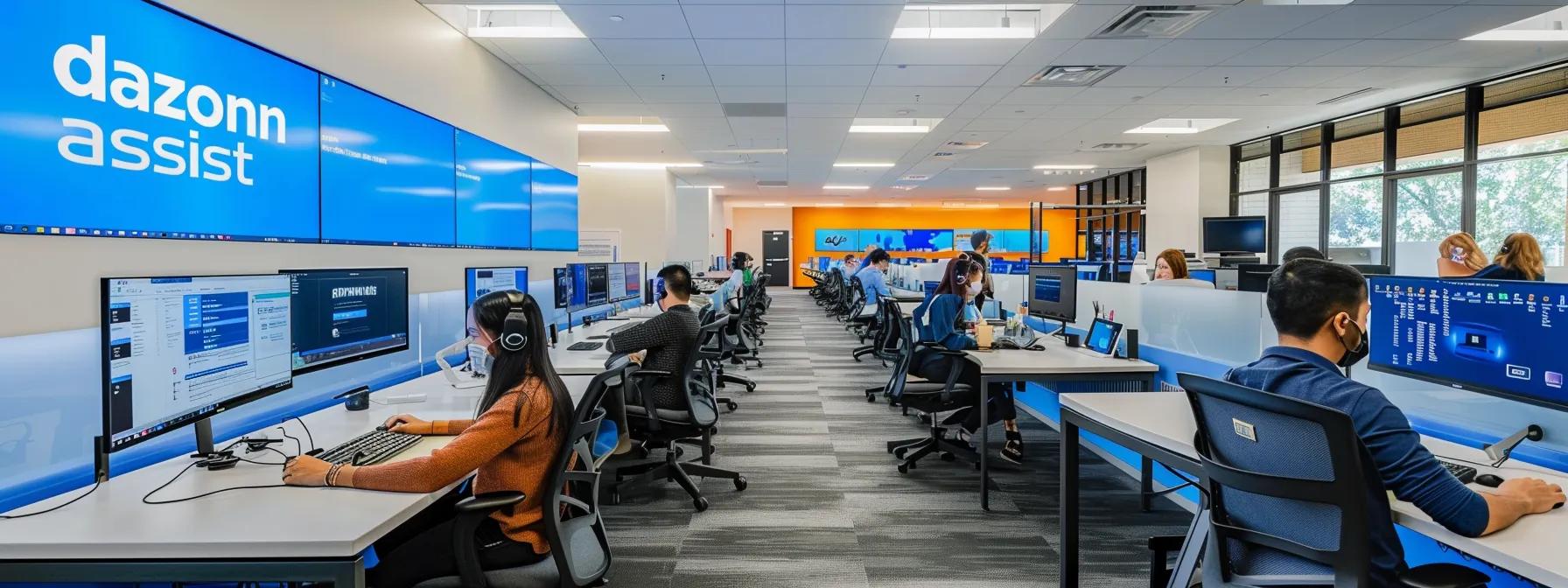
In a vibrant call center environment, the energy of collaboration is unmistakable. Engaged agents in professional attire gather around modern workstations, sharing insights and supporting one another in real-time. On the surrounding walls, the words “Confidence Through Knowledge” are prominently displayed — a core principle at Dazonn Assist that underscores the critical role of product and service expertise in delivering world-class customer support.
At the heart of every successful customer interaction is an agent who fully understands the company’s offerings. Whether responding to basic questions or resolving complex issues, in-depth knowledge of products and services empowers agents to deliver accurate, consistent, and confident support — enhancing both the customer experience and brand reputation.
Why Core Product and Service Knowledge Matters
1. Builds Customer Trust
When agents can clearly explain product features, services, and policies, customers feel assured they’re dealing with a competent and reliable representative. This builds confidence not only in the individual agent but in the brand as a whole.
2. Enhances First Contact Resolution
Well-informed agents are more likely to resolve issues on the first call, reducing customer effort and improving key metrics like FCR (First Contact Resolution) and AHT (Average Handle Time).
3. Reduces Escalations
Knowledgeable agents are less likely to rely on supervisors or transfers to resolve basic or mid-level queries. This improves efficiency and reinforces the customer’s sense of being in capable hands.
4. Increases Agent Confidence and Morale
When agents have mastery over the material, they feel more confident and less stressed, leading to better morale and reduced turnover.
How to Strengthen Product and Service Training
1. Deliver Structured Initial Training
Ensure all new hires go through a detailed training module that covers:
- Product features and use cases
- Service levels and delivery expectations
- Common customer questions and troubleshooting workflows
- Warranty, return, and billing policies
Visual aids, demos, and hands-on practice can make technical details more accessible and memorable.
2. Provide Access to a Central Knowledge Base
Equip agents with an easy-to-navigate, regularly updated knowledge base or internal wiki. This resource should:
- Include FAQs, how-to guides, and product manuals
- Be searchable and organized by topic or product line
- Highlight recent updates or policy changes
Self-service access reduces dependence on supervisors and promotes autonomy.
3. Incorporate Ongoing Refresher Courses
Products and services evolve — and training must keep pace. Offer regular update sessions to:
- Introduce new features or offerings
- Clarify changes in pricing, packaging, or policy
- Revisit common support challenges and best practices
Microlearning modules, short quizzes, and newsletters can keep learning fresh without overwhelming the team.
4. Use Real Customer Scenarios
Make training practical by incorporating actual customer scenarios or case studies. Role-playing with real issues helps agents apply their knowledge contextually, improving retention and application on live calls.
5. Track Knowledge Retention
Use knowledge checks, mini-assessments, or informal quizzes to ensure agents are retaining and applying their training. Reward top performers and provide targeted support for those who need it in a
.
Develop Communication and Soft Skills Effectively
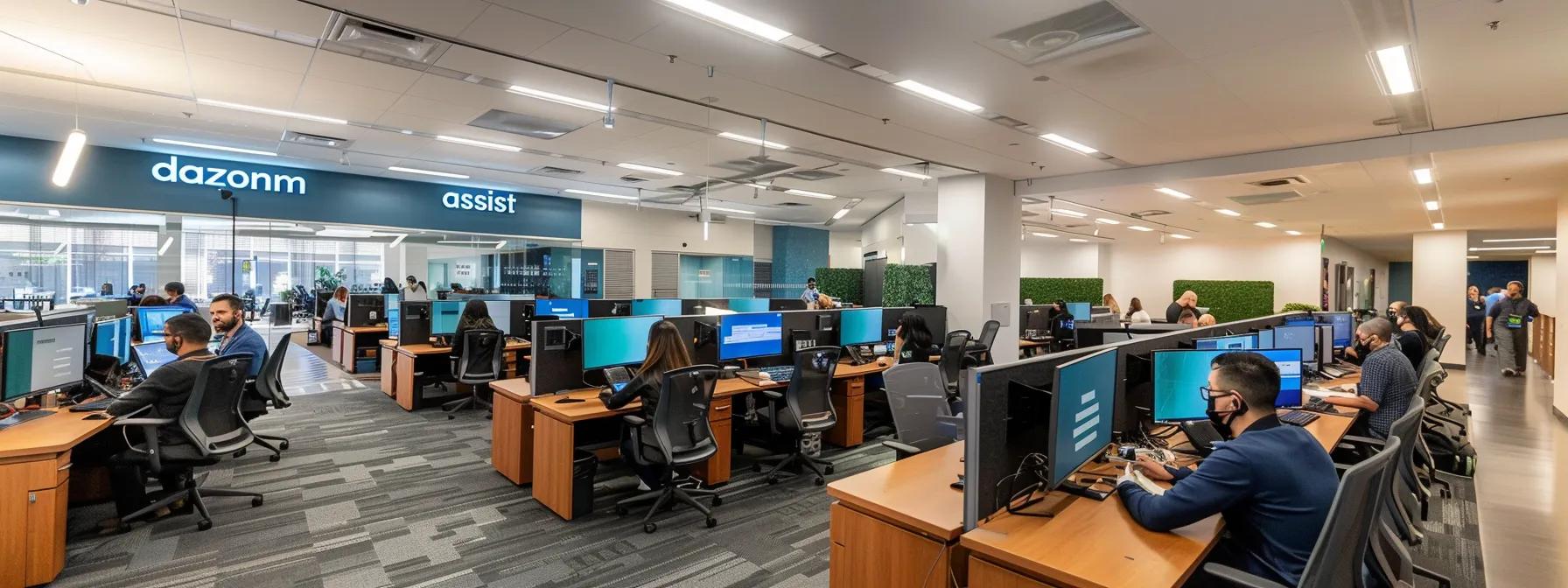
Effective communication is at the heart of successful customer service. Training programs should emphasize active listening and clear articulation, ensuring that agents bridge any communication gaps. Role-playing exercises help pinpoint areas needing improvement in tone, empathy, and clarity.
Incorporate Realistic Role-Playing Exercises

Role-playing simulates actual customer interactions in a controlled setting. These exercises empower agents to apply their training in handling difficult calls, thereby refining their response strategies. Feedback from these sessions helps agents identify strengths and areas for improvement.
Establish Clear Performance Benchmarks Early
Setting measurable goals for call resolution rates, customer satisfaction scores, and average handling time creates clear targets for agents. These benchmarks serve as both a guide during training and a basis for performance reviews, leading to improved overall productivity.
Advancing Agent Performance Improvement Strategies
Ongoing performance improvement strategies ensure that agents keep enhancing their skills even after initial training. Continuous coaching and regular feedback loops enable agents to understand their performance metrics and identify improvement areas. Utilizing performance data to pinpoint growth opportunities tailors further training to individual needs. In addition, specialized training for advanced skills, as well as encouraging peer-to-peer learning and mentorship, fosters a collaborative learning environment. Setting achievable goals for agent development not only motivates agents but also provides direction for long-term career progression.
Implement Continuous Coaching and Feedback Loops
Regular coaching sessions help agents internalize constructive feedback and adjust performance strategies quickly. Continuous monitoring and personalized coaching build a culture of accountability and dedication.
Utilize Performance Data to Identify Growth Areas
Analyzing data such as call duration, customer satisfaction scores, and first call resolution rates provides concrete indicators of performance. Data-driven insights inform targeted training sessions and personalized performance improvement plans.
Offer Specialized Training for Advanced Skills
Advanced training modules focus on complex customer situations, upselling techniques, and crisis management. Such modules prepare agents for higher responsibilities and diversify their skill sets.
Encourage Peer-to-Peer Learning and Mentorship
Peer mentoring programs create opportunities for shared learning. Experienced agents guide new hires while learning fresh perspectives from them. This mutual exchange of insights boosts overall team competence.
Set Achievable Goals for Agent Development
Setting realistic targets encourages competition and continuous improvement within the team. Periodic performance reviews aligned with these goals help maintain high standards of performance and customer service.
Cultivating Highly Competent Agents Through Ongoing Support
Long-term agent development depends on a supportive work environment and continuous access to updated resources. By providing access to updated knowledge bases, agents remain informed about the latest product updates and service protocols. A supportive and collaborative team environment enhances morale, while recognizing and rewarding agent achievements reinforces positive behaviors. Offering resources for stress management and well-being further ensures that agents maintain a healthy work-life balance, which ultimately improves service quality.
Provide Access to Updated Knowledge Bases
Access to a dynamic, digital library of resources such as FAQs, training videos, and product manuals allows agents to learn continuously. This regular update ensures that agents are fully informed about new features or changes.
Foster a Supportive and Collaborative Team Environment
Creating a team culture based on cooperation encourages open dialogue about challenges and peer support during peak periods. Regular team meetings and collaborative workshops help share best practices.
Recognize and Reward Agent Achievements
Recognition programs that reward high performance and customer satisfaction keep agents motivated. Incentives like awards, bonus systems, or public acknowledgments drive continual performance improvement.
Offer Resources for Stress Management and Well-Being
Providing mental health resources and stress management workshops helps agents maintain emotional balance. Wellness programs, access to professional counseling, and regular breaks contribute to better overall productivity.
Effective Agent Training Tips for Specialized Scenarios
Specialized training scenarios prepare agents for handling diverse and high-pressure situations. Training agents for handling complex customer issues involves creating detailed protocols that address multi-layered problems and ensuring that training includes crisis simulations. Developing protocols for crisis management prepares agents for emergency calls and high-stress environments. Equipping agents for upselling and cross-selling opportunities requires targeted training on product bundling and persuasive communication, while preparing agents for interacting with diverse customer profiles ensures sensitivity to cultural differences and varied communication styles.
Train Agents for Handling Complex Customer Issues
Specialized modules that focus on troubleshooting particularly challenging cases equip agents to handle difficult queries confidently. These sessions simulate real-life escalations and encourage rapid, solution-oriented thinking.
Develop Protocols for Crisis Management
Our white label link building services are the best option for agencies looking for quality, scalability, and convenience. We create SEO optimized, fresh content that performs well in search rankings and boosts your clients’ site authority. All of our backlinks come from authoritative
publishers. We’ll secure the quantity you need and in the right time frame.
Equip Agents for Upselling and Cross-Selling Opportunities
Agents benefit from learning advanced sales techniques that emphasize customer needs. Training that incorporates upselling and cross-selling strategies helps agents recognize opportunities to offer additional value, thereby increasing revenue and customer satisfaction.
Prepare Agents for Interacting With Diverse Customer Profiles
Cultural sensitivity training and communication workshops enable agents to appropriately address the needs of a diverse customer base. This specialized training helps in tailoring interactions that are respectful and effective, fostering a more inclusive customer service environment.
Measuring and Enhancing Agent Competency Systematically
Systematic measurement and enhancement of agent competency rely on clear performance metrics and regular quality reviews. Defining clear metrics for agent proficiency provides objective benchmarks against which performance can be evaluated. Conducting regular quality assurance reviews allows supervisors to monitor interactions and ensure adherence to best practices. Gathering customer feedback on agent interactions provides direct insight into service quality and areas for improvement. Adapting training programs based on performance trends ensures that training remains relevant and targeted, while investing in tools that aid agent performance improvement—such as analytics software and call center management tools—helps streamline and enhance overall operations.
Define Clear Metrics for Agent Proficiency
Agencies should set measurable targets such as first call resolution rate, average handling time, and customer satisfaction scores. Clear, quantifiable goals motivate agents to improve and allow for precise performance tracking.
Conduct Regular Quality Assurance Reviews
Frequent reviews of agent interactions help identify training gaps and opportunities for improvement. Quality assurance measures not only maintain high service standards but also provide agents with constructive feedback for continuous development.
Gather Customer Feedback on Agent Interactions
Customer surveys and direct feedback form a vital part of the competency measurement process. Insights derived from this feedback guide modifications in training programs and operational practices.
Adapt Training Programs Based on Performance Trends
Ongoing training updates should be informed by observed trends in performance data. This continuous adaptation ensures that training remains relevant and future-proof, addressing emerging challenges in customer service.
Invest in Tools That Aid Agent Performance Improvement
Technology investments—such as workforce management software and interactive dashboards—empower agents by providing real-time performance data. These tools help managers identify areas needing attention and facilitate faster, data-driven coaching sessions.
Fostering a Culture of Excellence for Competent Agents
Fostering a culture of excellence involves promoting ownership and accountability among agents, encouraging proactive problem-solving, and supporting career progression paths. Competent management practices set by leaders directly influence agent performance and morale. Regularly soliciting agent input on improvement processes ensures that the team feels valued and heard, which in turn drives higher engagement and productivity. Leadership must model behaviors that encourage continuous learning and innovation, thereby creating an environment where excellence is the norm rather than the exception.
Promote Ownership and Accountability Among Agents
Empowering agents by assigning clear responsibilities and holding them accountable for outcomes breeds ownership. When agents understand the direct impact of their decisions on customer satisfaction, they are more likely to take initiative and deliver superior results.
Encourage Proactive Problem-Solving Skills
A culture that rewards initiative in problem-solving motivates agents to seek innovative solutions. Leaders should foster environments where agents feel comfortable suggesting improvements and addressing issues before they escalate.
Support Career Progression Paths for Agents
Providing clear advancement opportunities and professional development programs helps retain top talent. This support not only boosts morale but also motivates agents to continually improve their skills for future growth.
Lead by Example With Competent Management Practices
Managers who demonstrate integrity, transparency, and high performance inspire their teams to emulate these qualities. Their leadership sets the tone for the entire department and plays a crucial role in sustaining a high-performance work culture.
Regularly Solicit Agent Input on Improvement Processes
Encouraging regular feedback from agents about training programs and operational processes helps identify gaps and implement practical solutions. This continuous dialogue creates a sense of community and shared responsibility for overall success.
Final Thoughts
Creating more competent agents is a continuous process that starts with rigorous selection and is bolstered by thorough training and regular performance monitoring. Organizations that implement comprehensive onboarding, offer continuous coaching, and foster a supportive work environment see improvements in customer satisfaction and operational efficiency. By aligning training programs with clear performance metrics and leveraging continuous feedback, companies can develop highly skilled agents who drive service quality and customer retention. Investing in agent development ultimately builds a culture of excellence and sets the stage for long-term organizational growth.
Frequently Asked Questions
Q: How can organizations ensure the right agents are selected? A: Organizations can ensure correct selection by using scenario-based assessments, evaluating soft skills, checking references, and ensuring cultural fit. This multi-step process confirms that agents are capable of handling complex customer issues.
Q: What foundational training methods are most effective? A: Comprehensive onboarding, focused product and service training, role-playing, and clear performance benchmarks are highly effective. These methods provide agents with the necessary skills and confidence to handle real-life scenarios.
Q: How does continuous coaching improve agent performance? A: Continuous coaching, together with regular quality assurance reviews and performance data analysis, helps agents correct issues immediately and adapt to evolving customer needs, ensuring ongoing improvement.
Q: What role does technology play in measuring competency? A: Investment in performance monitoring tools and analytical software helps track key metrics in real-time. These tools enable managers to adjust training programs based on precise, data-driven insights.
Q: Why is fostering a supportive team culture important for agents? A: A supportive team culture improves morale, encourages accountability, and stimulates proactive problem-solving, resulting in higher productivity and better customer service outcomes.