
Building Diverse, Equitable, and Accessible Teams: Inclusive Hiring for Call Centers
Embracing inclusive hiring means your call center actively seeks and keeps a team that truly represents the global customers you serve. Companies with diverse leadership teams see a 36 percent boost in performance compared to their less diverse rivals, proving that fair recruitment fuels both happier employees and more satisfied customers.
The Business Advantage of Diversity
Evidence shows that companies with varied leadership often outperform their less diverse counterparts. This edge comes from greater innovation, sharper decision-making, and more engaged employees.
This research underscores how diverse leadership drives superior business results, aligning with our article’s core message.
This guide dives into why inclusive hiring is crucial, how to cut down on bias, ensure accessibility, implement fair strategies, harness AI, nurture an inclusive environment, and team up with Dazonn Assist’s BPO services to create genuinely diverse, equitable, and accessible teams.
You’ll discover: blog
- The core advantages and business impact of a diverse call center team
- Practical steps to minimize unconscious bias and write inclusive job descriptions
- Top practices for supporting disabilities, assistive tech, and remote work integration
- Fair recruitment methods: skills-based evaluation, mentorship, pay equity, and employer branding
- AI-driven tools and ethical considerations for spotting bias, building talent pools, and crafting personalized candidate journeys
- Initiatives for building culture: DEI training, ERGs, career development, and work-life balance
- How Dazonn Assist’s call center solutions and AI capabilities support inclusive hiring
Why Inclusive Hiring is a Game-Changer for Call Centers
Inclusive hiring weaves together diversity, equity, and inclusion (DEI) principles with smart talent acquisition to elevate call center performance. By embedding fairness at every step of recruitment, call centers attract a wider range of talent, deepen customer connections through cultural understanding, and spark innovation. These practices pave the way for better customer satisfaction, higher retention rates, and lasting growth.
What Are the Key Wins from a Diverse Call Center Team?

Before we explore the strategies, let’s highlight the significant benefits a diverse team brings to contact center operations:
- Elevated Customer Satisfaction and Loyalty through cultural resonance
- Boosted Innovation as varied viewpoints fuel creative solutions
- Enhanced Employee Engagement stemming from a sense of belonging and representation
- Lower Turnover Costs when employees from underrepresented groups see clear paths for advancement
- A Stronger Employer Brand that attracts top talent in competitive markets
Each of these outcomes translates into tangible business value, forming the bedrock for strategic inclusive hiring.
How Does Inclusive Hiring Elevate Customer Satisfaction and Cultural Competence?
Inclusive recruitment ensures your agents mirror your customers’ languages, backgrounds, and needs, significantly improving service quality. When customers connect with agents who grasp cultural subtleties, first-call resolution rates climb, and net promoter scores soar. For instance, multilingual teams can navigate intricate international issues with empathy, directly building brand trust and loyalty.
In What Ways Does Diversity Fuel Innovation and Problem-Solving in Call Centers?
Diverse teams bring together a rich tapestry of experiences and thinking styles, leading to fresh solutions for persistent challenges like managing high call volumes or providing multilingual support. By cultivating an environment where every voice is valued—through inclusive hiring that embraces neurodiversity and varied cultural backgrounds—call centers can unlock groundbreaking improvements in processes and service offerings.
How Does Inclusive Hiring Boost Employee Engagement and Retention?
Agents who feel their identities and experiences are respected are more invested in the company’s success. Inclusive hiring practices that clearly outline career progression, offer mentorship, and provide cultural awareness training can reduce employee turnover by up to 30 percent. This sense of belonging translates into proactive service delivery and ultimately lowers recruitment expenses.
How Can Call Centers Tackle Unconscious Bias in Recruitment?
Minimizing implicit biases in hiring is essential for fair talent acquisition. A combination of structured processes, technological support, and inclusive job materials ensures every candidate is assessed fairly based on their skills and potential, not their background or personal traits.
Unconscious Bias in Hiring
Research indicates that unconscious biases can significantly sway hiring decisions, leading to less diverse workforces. Structured interview methods and AI tools can help counteract these biases.
This study highlights the critical need to address unconscious bias in recruitment, a key theme in this article.
What Are Effective Structured Interview Techniques for Minimizing Bias?
Implementing standardized interview protocols means asking every candidate the same competency-based questions, using clear scoring guides, and training interviewers on bias awareness.
- Develop detailed question banks directly linked to job requirements
- Assign numerical scores to each answer based on predefined criteria
- Hold calibration sessions to ensure panelists are aligned on evaluation standards
Standardized interviews enhance consistency, ensuring decisions are firmly rooted in performance.
How Can AI Tools Help Identify and Reduce Bias in Hiring?
AI-powered platforms can scan job postings and resumes to flag potentially biased language or demographic indicators. Algorithms can anonymize applicant details—like names, photos, and alma maters—allowing recruiters to focus solely on qualifications. Regular audits of AI outputs help detect and correct any skewed patterns, promoting more equitable selection outcomes.
How Should Job Descriptions Be Written to Encourage Inclusion?
Crafting job descriptions thoughtfully attracts a diverse range of applicants by emphasizing essential skills, removing gendered or culturally specific language, and clearly stating flexibility options.
- Prioritize required competencies over specific educational degrees
- Use gender-neutral language and dynamic, action-oriented verbs
- Clearly outline available accommodations and indicate remote-friendly possibilities
These language adjustments broaden your reach and send a clear signal of openness and fairness.
What Role Do Diverse Interview Panels Play in Fair Hiring?
Bringing together diverse panels offers multiple viewpoints during candidate assessment, reducing the risk of groupthink and unconscious favoritism.
Inclusive panels lead to more balanced hiring decisions and reinforce the organization’s commitment to equity.
What Are the Best Practices for Accessible Hiring in Call Centers?
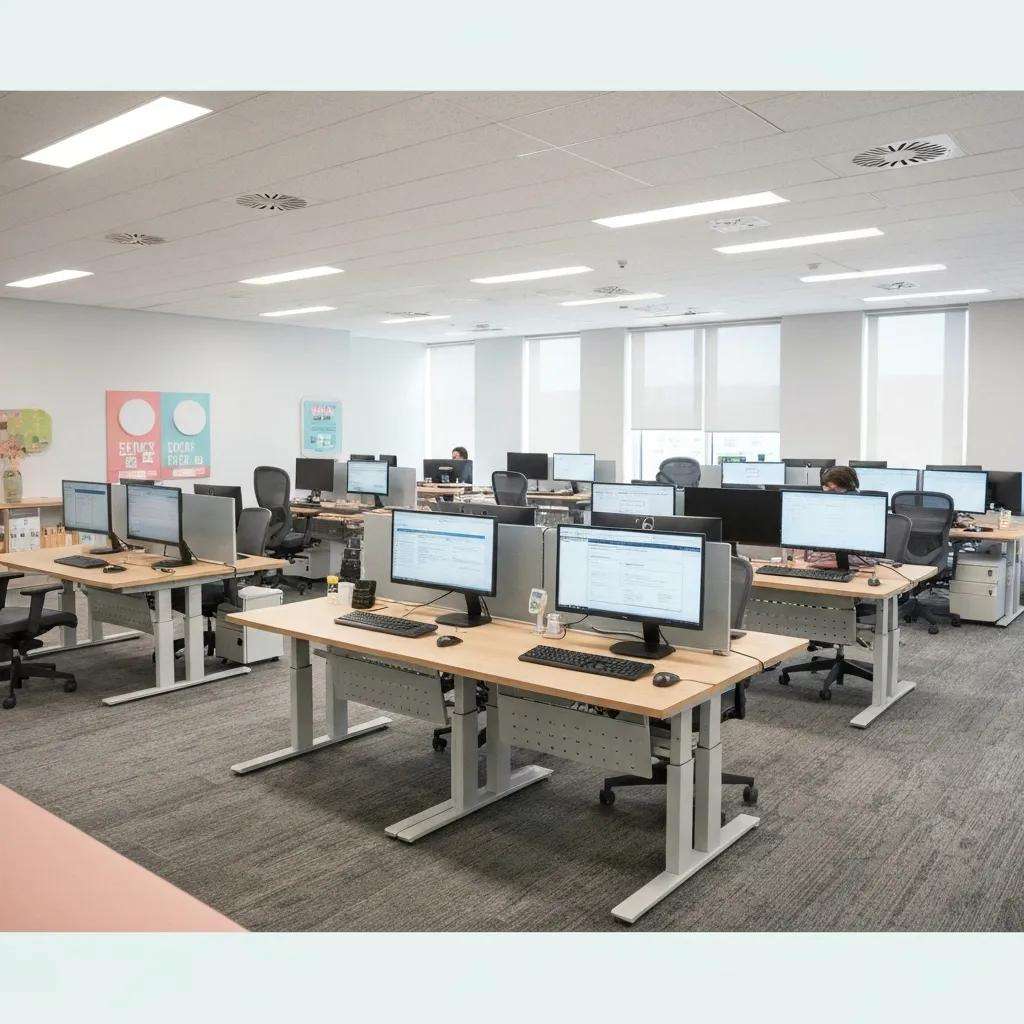
Accessible hiring ensures that candidates with disabilities face no obstacles, from the initial application through onboarding and beyond. By integrating physical, digital, and procedural accommodations, call centers can tap into valuable talent pools and meet legal requirements like the ADA.
How Can Call Centers Support Employees with Disabilities?
Call centers can offer a range of accommodations to support agents with diverse needs:
- Provide adjustable workstations, ergonomic equipment, and quiet zones
- Offer flexible schedules, part-time options, and remote work opportunities
- Facilitate mobility assistance, sign-language interpreters, or real-time captioning services
By structuring roles around individual strengths, organizations can foster better performance and retention.
What Assistive Technologies Enhance Inclusive Call Center Environments?
Accommodating diverse needs relies on specialized tools:
These technologies remove barriers and integrate smoothly into standard BPO workflows.
How Does Remote Work Facilitate Accessibility and Inclusion?
Remote-first models empower individuals facing mobility, health, or caregiving challenges to participate fully. Eliminating commute requirements expands geographic reach and reduces distractions for agents who thrive in quieter settings, boosting overall productivity and job satisfaction.
What Are Reasonable Accommodations and ADA Compliance Requirements?
Reasonable accommodations are any adjustments that enable qualified individuals to perform their job duties. Under the ADA, employers must provide these modifications—unless doing so creates an undue hardship—such as assistive devices, adjusted schedules, or accessible digital tools. Clear policies and thorough training ensure consistent application and legal compliance.
ADA and Reasonable Accommodations
The Americans with Disabilities Act (ADA) requires employers to provide reasonable accommodations for qualified individuals with disabilities. These can include assistive technologies, modified work schedules, and accessible workspaces.
This provides essential legal context for the article’s discussion on accessibility in call centers.
How Inclusive Hiring Builds Diverse, Equitable Call Center
Equitable strategies align hiring practices with objective criteria and growth opportunities, moving away from subjective measures like customer service in bpo.
How Does Skills-Based Screening Promote Fair Talent Acquisition?
Evaluating candidates solely on demonstrated skills or work samples helps eliminate bias related to education or background. Assigning practical tasks—like mock customer interactions or data entry simulations—directly reveals competency and predicts on-the-job success.
What Are Effective Mentorship and Development Programs for Underrepresented Groups?
Mentorship programs build talent pipelines by pairing new hires with experienced agents or managers. These programs should include: what is a customer service lead.
- Formal workshops focused on skill development and peer coaching
- Sponsorship opportunities for high-potential employees from underrepresented backgrounds
- Rotational assignments to expose mentees to various roles within the organization
These initiatives foster a sense of belonging and create clear pathways for career advancement.
How Can Pay Equity Be Ensured in Call Center Recruitment?
Establishing transparent salary ranges tied to specific job levels and geographic locations helps prevent wage gaps. Regular compensation reviews ensure salaries align with industry standards and internal fairness. Communicating pay ranges upfront in job postings reinforces a commitment to equity.
How Do Equitable Hiring Practices Affect Employer Branding?
Companies known for objective, inclusive recruitment practices enhance their reputation and attract top talent. Publicly demonstrating a commitment to equity—through awards, certifications, and success stories—sets brands apart in the competitive BPO landscape.
How Does AI Enhance Inclusive Talent Acquisition in Call Centers?
AI strengthens inclusive hiring by automating bias detection, broadening outreach, and personalizing candidate experiences while upholding fairness.
What AI Tools Are Used for Bias Detection and Mitigation?
Common tools include:
- Resume screening tools that anonymize demographic information
- Job description analyzers that identify and flag non-inclusive language
- Interview analysis platforms that assess candidate responses against defined competencies
How Does AI Support the Expansion of Diverse Talent Pools?
AI-driven sourcing platforms can identify potential candidates from underrepresented groups by analyzing skills across various professional and social networks. Automated outreach ensures that every qualified individual is engaged, thereby widening the applicant pipeline.
What Ethical Considerations Are Crucial When Using AI in Hiring?
Maintaining transparency in AI usage, regularly auditing algorithms for any biased outcomes, and rigorously protecting candidate data privacy are paramount. Involving a diverse group of stakeholders—including legal, HR, and IT professionals—ensures AI systems are deployed responsibly and continuously improved.
How Can AI Personalize Candidate Experiences to Improve Inclusion?
Personalization engines can adapt communication styles, language assessments, and feedback processes to match each candidate’s unique profile. By tailoring these interactions, call centers demonstrate respect for individual differences and increase candidate engagement and completion rates.
How Can Call Centers Cultivate an Inclusive Culture and Positive Employee Experience?
An inclusive culture extends beyond recruitment, encompassing ongoing training, community building, equitable career paths, and well-being initiatives.
What DEI Training Programs Are Effective for Frontline Managers?
Frontline leaders benefit most from interactive workshops covering:
- Recognizing and addressing bias in team management
- Facilitating effective cross-cultural communication
- Leading diverse teams with empathy and accountability
Continuous reinforcement through e-learning modules and peer support networks helps embed these behaviors.
How Do Employee Resource Groups (ERGs) Foster Inclusion?
ERGs provide safe spaces for individuals with shared identities—such as veterans, disability advocates, or multicultural groups—and offer leadership development opportunities. They also contribute valuable insights for policy improvements and community engagement, strengthening a sense of belonging and improving retention.
What Strategies Promote Equitable Career Growth and Development?
Organizations can implement the following:
- Establish clear, competency-based criteria for promotions
- Offer sponsorship and challenging assignments to high-potential employees
- Monitor internal mobility data to ensure equitable advancement for underrepresented groups
This structured approach builds trust and fosters long-term employee loyalty.
How Does an Inclusive Culture Impact Work-Life Balance and Job Satisfaction?
Inclusive policies, such as flexible scheduling, robust mental health resources, and support for caregivers, promote employee well-being and reduce burnout. When employees feel valued across all aspects of their lives, service quality and retention naturally improve.
How Does Dazonn Assist Support Inclusive Hiring Practices in Call Centers?
Dazonn Assist’s call center support services integrate DEI principles, AI analytics, and flexible workforce models to deliver teams that truly reflect the diverse needs of your customers.
- Diverse Sourcing and Screening: We leverage global talent networks and anonymized assessments to ensure fair selection.
- AI-Powered Bias Mitigation: Our proprietary algorithms identify biased language in job materials and standardize candidate evaluations.
- Accessible Role Design: Whether for voice or non-voice positions, we help organizations create tailored roles that match individual strengths and needs. Explore the Differences Between Voice and Non-Voice Processes.
- Customized Onboarding and Mentorship: Our structured training programs and ERG-supported communities accelerate inclusion and boost retention.
Through these comprehensive solutions, Dazonn Assist empowers clients to build high-performing, inclusive call center teams that drive both exceptional customer satisfaction and operational excellence.
Inclusive hiring transforms customer support into a powerful strategic advantage—one that Dazonn Assist is ready to help you achieve. Partner with Dazonn Assist today to advance your equitable talent acquisition efforts and build a call center workforce that truly mirrors the diversity of your customers and communities.
Conclusion
Embracing inclusive hiring practices not only enhances team diversity but also drives significant business performance and customer satisfaction. By implementing fair recruitment strategies and leveraging AI tools, call centers can create environments that reflect the communities they serve. Take the next step towards building a more equitable workforce by exploring our tailored solutions at Dazonn Assist. Together, we can transform your hiring process and foster a truly inclusive culture.