

Comprehensive Guide to Zero Hold Time in Call Centers
- How to Achieve Zero Hold Time: The Ultimate Call Center Strategy Using IVR Systems and Automated Call Distribution
- What Is Zero Hold Time and Why Is It Critical for Call Centers?
- How Do IVR Systems Help Reduce Call Center Hold Times?
- How Does Automated Call Distribution (ACD) Optimize Call Routing to Eliminate Hold Time?
- What Workforce Management Strategies Support Achieving Zero Hold Time?
- What Are the Best Call Center Optimization Practices to Sustain Zero Hold Time?
- How Can You Measure and Monitor Progress Toward Zero Hold Time?
- What Are Common Challenges in Achieving Zero Hold Time and How to Overcome Them?
- Frequently Asked Questions
- Final Thoughts
Achieving Zero Hold Time with IVR & Automated Call Routing
In today’s competitive customer support environment, few things frustrate callers more than waiting on hold. Zero hold time is quickly becoming a critical metric that impacts customer satisfaction and agent productivity. Call centers and outsourcing companies in mohali must maximize customer experience and operational efficiency. As customer demands escalate, achieving zero hold time can mean the difference between loyal customers and lost revenue. This article explains what zero hold time is, why it matters, and provides an in‐depth analysis of the strategies, technologies, and workforce management best practices essential for reaching and sustaining this goal.
By examining the roles of interactive voice response (IVR) systems and automated call distribution (ACD) in reducing wait times, companies can streamline operations and boost support metrics. With increasing call volumes and demands for faster resolutions, cutting-edge solutions are vital. Real-world examples and case studies illustrate how efficient call routing and smart scheduling lower hold times while addressing high call volume, agent burnout, and cost–quality balance challenges.
This comprehensive guide covers every core aspect of call center optimization—from advanced technology integration to effective workforce management. The following sections offer targeted questions, clear evidence-based answers, and include tables and lists that highlight best practices and industry benchmarks. Read on to discover a full spectrum of solutions that lower hold times and improve overall operational excellence.
What Is Zero Hold Time and Why Is It Critical for Call Centers?
Zero hold time is the ideal in call center operations when customers are connected to an agent immediately. This rapid response improves customer satisfaction and enhances agent productivity by boosting first-call resolution rates and reducing frustration. Studies show that every 10-second increase in wait time can reduce customer satisfaction by as much as 1.5%. Efficient call handling not only minimizes churn but also cuts operational costs.
How Does Hold Time Impact Customer Satisfaction and Agent Productivity?
Excessive hold time shapes negative customer perceptions. When callers wait too long, they may abandon the call, which impacts retention and reputation. Surveys indicate that 60% of customers may hang up if the wait exceeds 2 minutes. For agents, prolonged hold times mean dealing with stressed customers and managing increased call volumes, which hinders productivity and speeds up burnout. Reducing hold times creates a more efficient and positive contact center ecosystem.
What Are the Industry Benchmarks for Average Hold Time?
Top-performing call centers target hold times of 20 to 30 seconds. In contrast, centers using outdated technology may experience waits over 90 seconds. Benchmarking shows that centers keeping hold times below 30 seconds enjoy higher first-contact resolution and customer loyalty. These thresholds, while varying with call complexity and staffing levels, consistently correlate with improved Net Promoter Scores (NPS) and reduced costs.
Why Is Zero Hold Time the Ultimate Goal for Call Center Optimization?
Aiming for zero hold time demonstrates a commitment to rapid, customer-centric service. Even if absolute zero is hard to achieve during peak times, striving toward this goal drives continuous process and technology improvements. The steady reduction of hold time not only improves customer satisfaction but also enhances resource allocation, providing a competitive edge and setting industry benchmarks for service excellence.
How Do IVR Systems Help Reduce Call Center Hold Times?
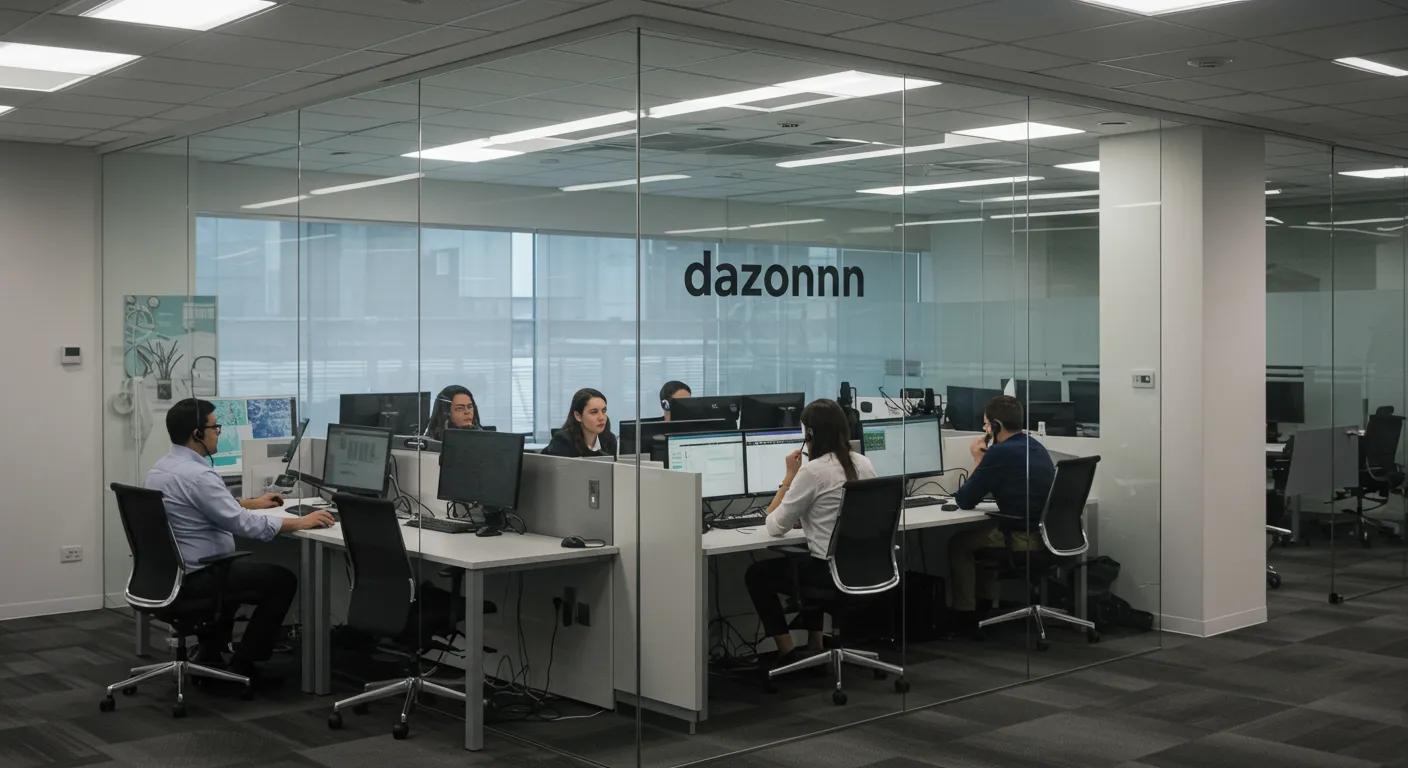
Interactive Voice Response (IVR) systems interact automatically with callers, gathering basic information and routing calls to the appropriate department or agent. By pre-screening calls and handling simple transactions, IVR systems minimize unnecessary queues. They segment call flows so that only complex or high-priority calls reach a live agent, thereby streamlining interactions and reducing overall wait times.
What Are the Key Features of Effective IVR Systems?
Effective IVR systems offer several key features: – Voice recognition and touch-tone inputs that help customers navigate menus quickly. – Adaptive menu options and dynamic call routing based on caller input. – Integration of natural language processing (NLP) to better understand queries. – Real-time data integration from backend systems to offer personalized responses. – Multilingual support and scalable infrastructure for handling high call volumes. – Smooth integration with CRM and ACD systems to ensure prompt and accurate call routing.
How to Choose the Right IVR System for Your Call Center?
Choosing an IVR system involves assessing technical and operational factors. The system should allow customization of menus to fit specific service offerings, be scalable enough to handle call surges, and offer real-time analytics and reporting. Integration with CRM and ACD tools is essential for maintaining seamless data flow and effective customer profiling. Additionally, evaluate the total cost, ease of deployment, and ongoing support to ensure the system meets both current needs and future growth.
What Are Best Practices for Implementing IVR Systems?
To implement IVR systems successfully: – Design intuitive menus that avoid excessive options to prevent confusion. – Regularly test the system and gather customer feedback to refine functionality. – Provide an option for callers to reach a human agent quickly if needed. – Invest in high-quality speech recognition technology and update the system as customer expectations evolve. – Train agents to understand IVR operations so they can assist callers effectively. – Establish measurable KPIs, such as call abandonment rates and customer satisfaction scores, to gauge performance and guide improvements.
How Do IVR Systems Improve Customer Experience and Agent Efficiency?
IVR systems boost customer experience by offering immediate acknowledgment and reliable information. This automation shortens perceived wait times and increases satisfaction. Meanwhile, agents are relieved from routine queries and can focus on complex issues that need human intervention. Furthermore, integration with CRM systems provides real-time customer data, enabling agents to offer tailored responses, thereby increasing call resolution speeds and overall productivity.
Can You See Real Results? Case Studies of IVR Reducing Hold Times
Multiple case studies have shown that efficient IVR systems can reduce hold times by around 40%. For instance, one telecommunications company reduced its average hold time from 90 seconds to 55 seconds after enhancing its IVR with better voice recognition and contextual call routing. Similarly, a financial institution improved customer satisfaction and decreased abandonment rates after integrating a customized IVR solution. These examples demonstrate that automating routine tasks with IVR leads to higher first-call resolution and better overall support performance.
Table: IVR System Attributes and Their Impact on Hold Times
In summary, IVR systems that incorporate these features significantly reduce hold times while improving the customer experience.
How Does Automated Call Distribution (ACD) Optimize Call Routing to Eliminate Hold Time?
Automated Call Distribution (ACD) systems are designed to allocate incoming calls efficiently based on predetermined criteria. By ensuring that calls reach the most qualified agent quickly, ACD systems reduce unnecessary waiting. They balance workloads among agents and speed up call resolution, greatly lowering average hold times.
What Are the Core Functions and Benefits of ACD Systems?
The main functions of ACD systems include: – Intelligent call routing based on integrated IVR data. – Load balancing to ensure no agent is overloaded. – Real-time performance analytics for quick adjustments. – Detailed call reporting that helps managers identify areas for training and improvement. These functions minimize wait time, improve operational efficiency, and enhance customer satisfaction.
How to Optimize ACD Call Routing Strategies for Zero Hold Time?
Optimizing ACD call routing requires: – Segmenting incoming calls using IVR data. – Using advanced algorithms to match calls with the best available agents. – Regularly reviewing performance data to adjust call routing. – Dynamically adjusting staffing levels based on real-time call traffic forecasts. Scheduling software integrated with ACD can automatically suggest optimal staffing during peak times, further reducing wait times.
What Reporting and Analytics Features Help Monitor ACD Performance?
Effective ACD systems offer robust reporting features: – They track KPIs like average call duration, hold time, and call abandonment rates. – Advanced dashboards display real-time data for immediate action. – Historical reporting helps identify trends and areas needing improvement. Such analytics empower managers to refine call routing strategies continuously, ensuring consistently low hold times.
How Does ACD Integration With IVR Enhance Call Center Operations?
Integrating ACD with IVR systems results in a seamless communication flow. IVR pre-screens calls and passes critical data to the ACD system, which then routes calls to the optimal agent instantly. This integration minimizes duplication, shortens interaction time, and improves first-call resolution. The combined system increases accuracy and accelerates service delivery, paving the way to near-zero hold times.
Table: ACD System Functions and Their Benefits
In summary, ACD systems integrated with IVR data form a critical component in eliminating hold time, ensuring quick, efficient, and customer-centric call routing.
What Workforce Management Strategies Support Achieving Zero Hold Time?
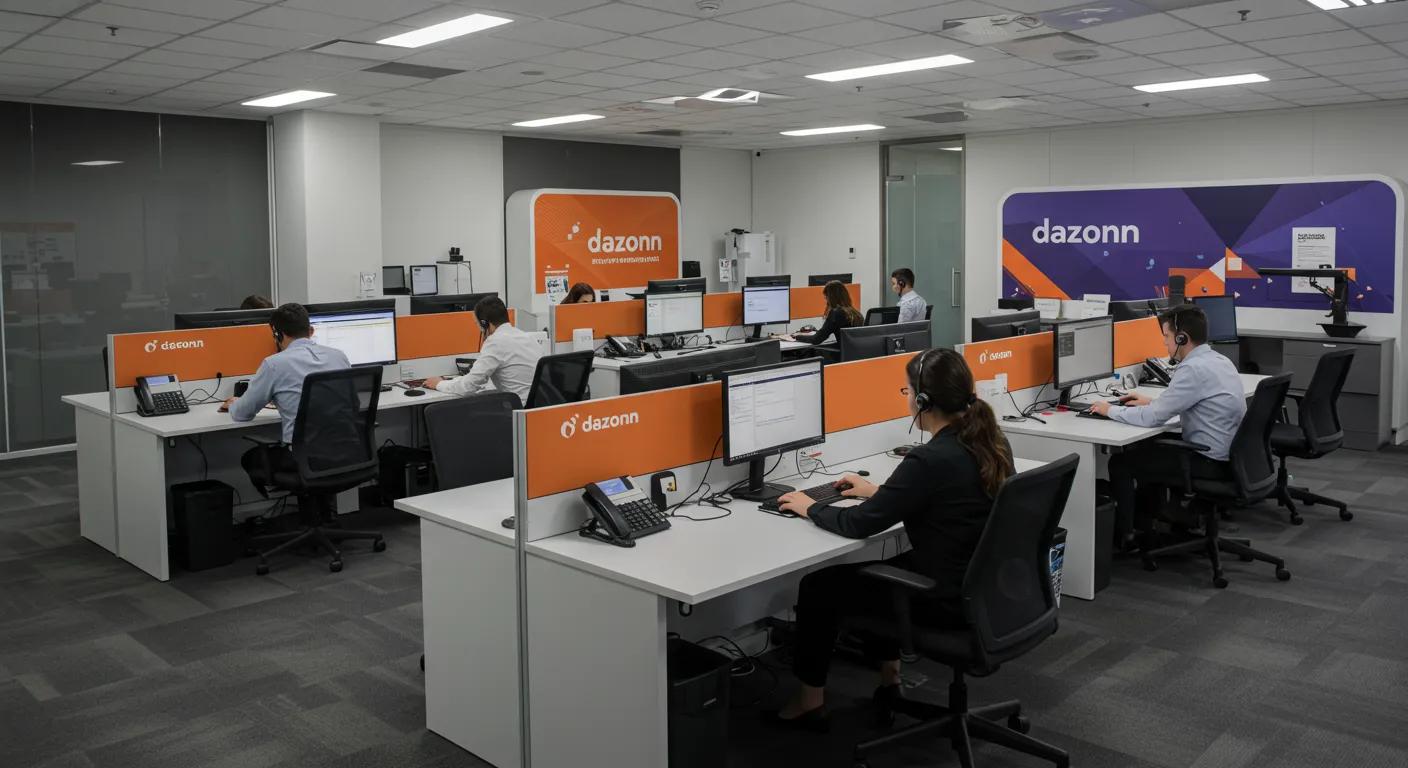
Effective workforce management (WFM) is essential for achieving zero hold time. It ensures the right number of skilled agents are available precisely when call volumes peak, and that agents are equipped to handle varied inquiries. By forecasting call volumes and aligning staffing, companies can minimize delays and evenly distribute workloads.
How Does Agent Scheduling and Forecasting Reduce Hold Times?
Proper agent scheduling and forecasting help predict call volume fluctuations and adjust staffing proactively. By creating shift plans that eliminate gaps and overcrowding, call centers can reduce waiting times. This approach ensures that customer demand is met without overburdening agents, thereby preventing burnout and maintaining high service quality.
What Performance Metrics Should You Track for Workforce Management?
Key metrics include: – Average handling time – Agent occupancy rate – Call abandonment rate – First-call resolution rate Monitoring these metrics helps managers identify performance gaps and adjust training or scheduling as needed, leading to lower hold times.
How Can Workforce Management Software Improve Agent Productivity?
Workforce management software uses advanced scheduling algorithms to streamline staffing. It analyzes historical call patterns, current demand, and agent performance to generate optimal schedules. With real-time dashboards, managers can quickly correct staffing imbalances, thereby reducing wait times and boosting agent productivity.
What Training and Development Practices Help Agents Handle Calls Faster?
Regular training and development are crucial for quick call resolution: – Conduct refresher courses on using IVR and ACD tools. – Utilize role-playing and scenario-based exercises to improve communication and problem-solving skills. – Invest in soft skills training, such as active listening and empathy. – Establish mentorship programs and regular performance reviews. These practices reduce handling times and enhance overall customer satisfaction.
Table: Workforce Management Strategies and Their Impact on Hold Time
This table highlights how strategic workforce management directly contributes to reduced hold times and improved call center efficiency.
What Performance Metrics Should Be Tracked for Workforce Management?
In addition to the metrics already mentioned, managers should track: – Agent occupancy – Average speed of answer – Average handle time – Call conversion rates – Customer satisfaction index Consistent monitoring of these KPIs provides actionable insights for continuous improvement in response times.
What Are the Best Call Center Optimization Practices to Sustain Zero Hold Time?
Achieving and sustaining zero hold time requires a multifaceted approach involving technology, monitoring, training, and customer feedback. Integrating advanced technology with effective workforce management and actively using customer feedback ensures low hold times over the long term.
How Does Technology Integration Drive Call Center Efficiency?
Integrating technologies like IVR, ACD, and CRM systems automates routine tasks and ensures precise call routing. This coordination speeds up query resolution and reduces hold times. Additionally, it facilitates the rapid flow of updates from management to agents, ensuring everyone can respond quickly to customer needs.
What Role Does Real-Time Monitoring Play in Hold Time Reduction?
Real-time monitoring provides immediate visibility into call flow, wait times, and agent performance. Dashboards and alerts allow managers to detect issues such as call spikes or delays and quickly reallocate resources. This constant feedback loop is essential for maintaining low hold times and accountability.
How Can AI-Powered Chatbots and Call Deflection Reduce Hold Time?
AI-powered chatbots effectively answer simple, frequently asked questions, deflecting calls that do not require human intervention. By handling routine inquiries, chatbots reduce the volume of calls reaching live agents, thereby lowering hold times. Combined with IVR and ACD systems, they contribute to a multi-layered support structure that efficiently manages call traffic.
What Are Proven Call Center Training Techniques to Improve Response Times?
Effective training methods include: – Regular role-playing and scenario-based exercises. – Targeted coaching sessions to reinforce best practices in call handling. – Continuous professional development and incentive programs. These techniques enhance agent responsiveness and reduce average handling times.
How Do Customer Feedback and Continuous Improvement Impact Hold Time?
Customer feedback identifies pain points and inefficiencies in call handling. Regular reviews of feedback and performance data drive ongoing improvements in processes, technology, and training. This proactive approach helps prevent issues that might otherwise extend hold times.
Table: Call Center Optimization Practices and Their Benefits
These practices form a robust framework that sustains low hold times while improving overall call center performance.
How Can You Measure and Monitor Progress Toward Zero Hold Time?

Measuring progress toward zero hold time involves tracking key performance indicators (KPIs) using integrated call center systems. Establish baseline metrics and conduct regular assessments to identify gaps. This ongoing auditing and analysis ensure that strategies remain effective and adaptable.
What Key Performance Indicators (KPIs) Reflect Hold Time Reduction Success?
Essential KPIs include: – Average hold time – Average speed of answer – Call abandonment rate – First-call resolution rate Additionally, customer satisfaction scores and agent response times provide insight into overall efficiency.
How to Use Call Center Analytics to Identify Bottlenecks?
Analytics tools aggregate data from ACD, IVR, and CRM systems to highlight trends and pinpoint bottlenecks. Real-time dashboards and historical reports allow managers to identify periods of long hold times and problems such as inefficient routing, enabling targeted improvements.
What Tools and Software Support Ongoing Hold Time Monitoring?
Several tools support continuous monitoring: – Workforce management systems for scheduling and forecasting. – Real-time analytics dashboards that offer instant alerts. – CRM integration tools that centralize customer data. – Dedicated call center analytics platforms that provide historical trend analysis. These tools facilitate proactive decision-making to steadily reduce hold times.
How Often Should You Audit and Update Call Center Strategies?
Regular audits are key. Monthly reviews for operational KPIs, coupled with quarterly strategic audits, ensure that call center strategies remain effective in the face of evolving call volumes and customer expectations.
Table: Monitoring Tools for Ongoing Hold Time Reduction
Together, these tools enable a clear view of performance and support continuous improvement toward zero hold times.
What Are Common Challenges in Achieving Zero Hold Time and How to Overcome Them?
Despite technological advances, challenges such as high call volumes, unpredictable spikes, and agent burnout can impede progress toward zero hold time. Integration issues, cost constraints, and resistance to change also play a role. Recognizing these challenges is the first step in implementing practical solutions.
Why Do Hold Times Persist Despite Technology Investments?
Hold times may persist due to improper integration between IVR, ACD, and workforce management systems, leading to data silos and routing errors. If system parameters are not regularly adjusted to fit evolving call patterns, the benefits of technology diminish. Overreliance on automation without human oversight can also allow calls to circulate without resolution.
How to Manage High Call Volumes Without Increasing Hold Time?
To manage high call volumes: – Use predictive analytics to forecast peak periods. – Implement advanced ACD systems for load balancing. – Employ call deflection strategies such as AI-powered chatbots. – Cross-train agents to handle a variety of inquiries. These measures help ensure that surges do not lead to increased wait times.
What Are Effective Solutions for Agent Burnout and Turnover?
Agent burnout can be addressed by: – Investing in robust employee engagement and wellness programs. – Implementing flexible scheduling and regular breaks. – Utilizing workforce management software to evenly distribute workloads. – Providing clear paths for career growth. These steps reduce stress and turnover, which in turn supports lower hold times.
How to Balance Cost and Quality When Implementing Hold Time Reduction Strategies?
Balancing cost and quality means: – Analyzing current call center metrics. – Strategically investing in scalable, cloud-based technologies and outsourcing where appropriate. – Focusing on continuous process improvements and regular ROI assessments. Transparent reporting and ongoing training ensure investments improve efficiency without overspending.
Table: Common Challenges in Achieving Zero Hold Time and Recommended Solutions
Addressing these challenges with a multi-faceted approach—combining technology, proactive management, and employee support—creates agile, high-performing call centers.
Benefits of Zero Hold Time Beyond Customer Satisfaction
Achieving zero hold time in a call center is more than just a way to improve customer experience. It delivers substantial benefits that extend to employee satisfaction, cost efficiency, brand loyalty, and overall business performance. Let’s dive into the broader advantages zero hold time offers to your organization:
1. Improved Employee Morale
When agents no longer have to manage frustrated customers stuck in long hold queues, the work environment becomes less stressful and more engaging. Here’s how zero hold time directly improves employee morale:
- Reduced Stress: Long wait times often result in irate customers, which leads to stress for agents. When there’s no hold time, agents can focus on providing high-quality, focused service, reducing the emotional toll of customer calls.
- Increased Job Satisfaction: Employee burnout and turnover are a significant challenge in call centers. By minimizing or eliminating hold times, agents spend more of their time resolving issues efficiently, making them feel more accomplished and less drained at the end of their shift.
- Enhanced Engagement: With automation handling routine tasks like call routing or answering basic questions, agents are empowered to engage more deeply with customers, contributing to greater job satisfaction. This deeper customer interaction boosts employee morale and keeps them motivated.
2. Cost Savings and Operational Efficiency
Reducing hold time doesn’t just benefit your customers—it also results in significant cost savings and boosts overall operational efficiency. Here’s how:
- Lowered Operational Costs: By integrating technologies like Automated Call Distribution (ACD), Interactive Voice Response (IVR) systems, and AI-driven chatbots, businesses can reduce the need for as many agents during peak times. This allows for more efficient resource management and operational scaling without increasing labor costs.
- Faster Call Resolution: When agents aren’t burdened with long hold queues, they can focus on resolving customer issues faster. This leads to quicker resolutions and enables agents to handle more calls per shift, improving productivity and reducing overall operational costs.
- Reduced Employee Attrition: Call center attrition is expensive. Zero hold time creates a better work environment, lowering stress levels for agents, which directly contributes to improved employee retention. Fewer turnover rates mean less spending on recruitment, onboarding, and training costs.
3. Enhanced Brand Loyalty and Reputation
A call center that prioritizes zero hold time not only enhances customer satisfaction but also strengthens your brand reputation and loyalty.
- Brand Perception: Companies that ensure fast, efficient service create a lasting impression of being customer-centric and organized. This can help build a more trustworthy and reliable image, enhancing customer loyalty.
- Competitive Advantage: In industries where competition is fierce, businesses offering zero hold time gain a competitive edge. In a market where many companies still struggle with long wait times, being able to eliminate or drastically reduce hold time can set you apart as a leader in customer service.
4. Measurable Improvements in Customer Retention, Conversions, and Upselling
The elimination of hold time extends beyond just a smooth interaction. It has tangible effects on key business outcomes, such as customer retention, conversions, and upselling.
- Higher Customer Retention: Studies consistently show that customers are less likely to return to businesses with long wait times. By offering zero hold time, you create a seamless, efficient experience that fosters trust, helping retain loyal customers and encouraging them to return for future business.
- Increased Conversions: Zero hold time translates into quicker response times. This enables agents to address customer needs in real-time, increasing the likelihood of converting inquiries into sales. When customers don’t have to wait, they are more likely to complete their purchases.
- Upselling and Cross-Selling: When agents have more time to focus on the customer conversation, they can better understand needs and identify opportunities to upsell or cross-sell additional products or services. The absence of hold time allows agents to engage in more meaningful dialogues, which naturally leads to greater revenue.
The Role of Artificial Intelligence in Achieving Zero Hold Time
In the modern call center, Artificial Intelligence (AI) is a powerful ally in the quest to achieve zero hold time. By integrating AI-driven solutions, businesses can reduce wait times, streamline operations, and enhance customer satisfaction, all while improving agent productivity. Let’s explore how AI can help eliminate hold time and revolutionize the call center experience.
1. AI-Powered Virtual Assistants for Immediate Assistance
AI-driven virtual assistants or chatbots can handle a significant portion of customer queries before they ever reach a live agent. By automating responses to routine inquiries such as account balances, order statuses, or FAQs, AI can instantly provide customers with the information they need.
- Instant Query Resolution: Virtual assistants can resolve common customer issues in real-time, eliminating the need for customers to be placed on hold while waiting for an agent.
- 24/7 Availability: AI chatbots and voice assistants are available around the clock, ensuring that customers can always get answers, even outside of regular business hours, without waiting.
2. AI-Driven Call Routing and Prioritization
AI’s ability to analyze customer data in real-time allows it to make intelligent call routing decisions, ensuring that customers are quickly connected to the most appropriate agent based on factors such as query type, customer history, or even sentiment.
- Predictive Routing: AI can analyze a customer’s past interactions and predict the most suitable agent for handling their issue. This reduces unnecessary transfers and minimizes wait times.
- Dynamic Queue Management: By analyzing factors like call volume, agent availability, and urgency, AI can prioritize calls and direct them to available agents based on their expertise, reducing the need for customers to be placed on hold.
3. AI for Real-Time Assistance to Agents
AI can support live agents by providing real-time suggestions, data insights, and automated processes to help them resolve customer issues faster, all of which contribute to reducing hold times.
- Smart Knowledge Base: AI systems can provide agents with instant access to relevant information, troubleshooting steps, or customer history, enabling them to resolve queries efficiently.
- Automated Follow-ups: AI can send automated follow-up messages or emails to customers, eliminating the need for agents to spend time confirming details or updating records manually.
4. AI-Enhanced Self-Service Options
AI also enables advanced self-service options that help customers resolve issues without ever needing to contact an agent, further reducing hold times.
- Interactive Voice Response (IVR) Systems: AI-powered IVRs can identify a customer’s request and route it accordingly without human intervention. For example, customers can check the status of their order, schedule appointments, or make payments via AI systems, which reduces the need for a call center agent.
- Proactive Customer Service: AI can anticipate customer needs by analyzing data and sending proactive alerts or recommendations, thus preventing customers from needing to call in at all.
5. Continuous Learning and Optimization
AI systems continuously learn from customer interactions, improving their ability to handle queries and route calls more effectively over time. This results in a self-improving system that constantly optimizes the customer experience.
- Data-Driven Insights: AI can analyze large datasets from past interactions to identify patterns, optimize workflows, and predict peak call times, allowing call centers to adjust staffing and resources in advance.
- AI for Call Monitoring: AI can listen to calls in real-time and provide immediate feedback or quality control insights to agents, ensuring that they can handle customer interactions more efficiently.
Frequently Asked Questions
Q: What exactly does zero hold time mean in a call center context? A: Zero hold time means connecting a customer to an agent immediately, with no waiting period. It demonstrates an efficient system where advanced IVR and ACD technologies, along with optimal workforce management, quickly route calls for faster resolution and higher customer satisfaction.
Q: How do IVR systems contribute to reducing hold times? A: IVR systems automate initial call screening and information gathering. By routing routine inquiries directly to automated systems and forwarding complex issues to skilled agents, they significantly reduce wait periods and improve the overall experience.
Q: What role does ACD play in achieving zero hold time? A: ACD systems efficiently route calls to the most appropriate available agent using predefined criteria. This intelligent matching reduces wait times, improves first-call resolution, and enhances overall contact center efficiency.
Q: Which performance metrics are essential when monitoring call hold times? A: Key metrics include average hold time, average speed of answer, call abandonment rate, and first-call resolution rate. Monitoring these through integrated analytics provides actionable insights for continuous improvement.
Q: Can call centers completely eliminate hold times, and if not, what is the realistic target? A: Complete elimination of hold times is challenging during high-volume periods. Leading call centers target an average hold time of 20 to 30 seconds, which significantly improves customer experience.
Q: How often should call centers audit and update their call routing and workforce strategies? A: Regular audits are crucial. Monthly reviews for operational adjustments and quarterly strategic audits help address inefficiencies and keep hold times low.
Q: What are the cost implications of implementing advanced IVR and ACD systems to reduce hold times? A: Although advanced systems require upfront investment, their long-term benefits—such as improved efficiency, higher first-contact resolutions, and increased customer satisfaction—typically justify the cost. Cloud-based solutions and strategic outsourcing can also help manage expenses.
Final Thoughts
Achieving zero hold time in a call center is a multifaceted challenge, but with the right combination of advanced technologies and strategic workforce management, it is absolutely within reach. By leveraging IVR systems and Automated Call Distribution (ACD), call centers can efficiently route calls, reduce wait times, and significantly enhance the customer experience.
However, it’s not just about implementing technology; continuous monitoring, regular agent training, and data-driven workforce management are essential for maintaining this high level of service. By staying agile and proactive, call centers can minimize hold times, maximize agent productivity, and ultimately build stronger relationships with customers.
For organizations looking to take their customer service operations to the next level, Dazonn Assist provides comprehensive solutions to help achieve zero hold time. Their cutting-edge IVR systems and ACD solutions, combined with tailored workforce optimization tools, allow businesses to streamline their operations and create an exceptional customer experience.
If you’re ready to explore how Dazonn Assist can help your call center achieve zero hold time and improve your overall customer service, get in touch with them today.
Contact Dazonn Assist: www.dazonnassist.com/contact/