


Data Processing Services
- Home
- Data Processing Services

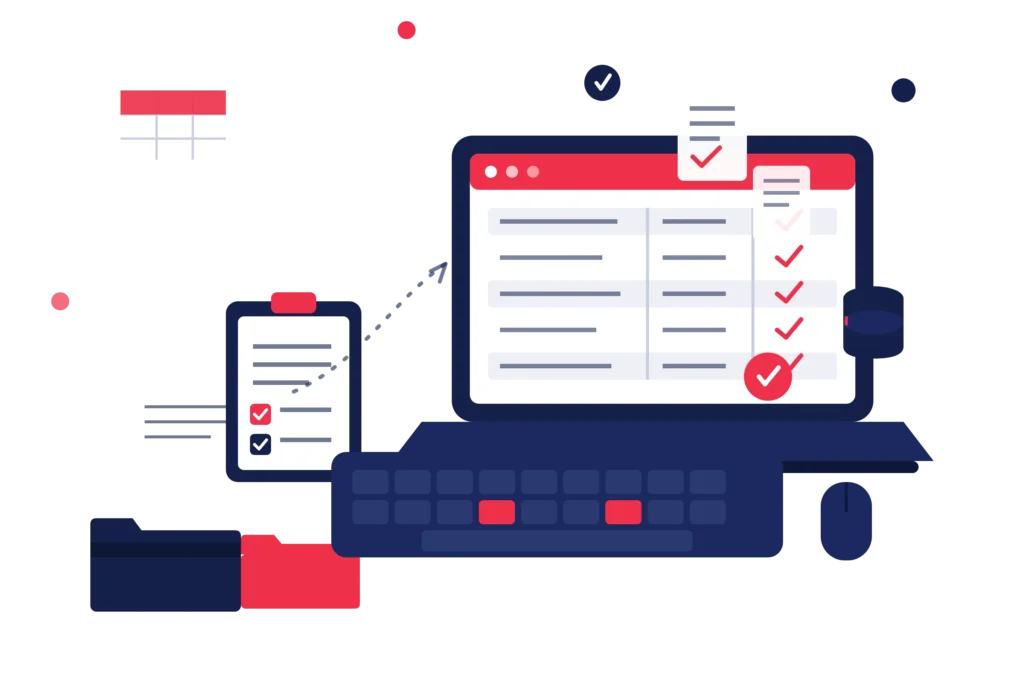
Our Data Workflow
Receive Data
Convert / Process
Quality Check
Deliver Results
Common Challenges
Disorganized records
Billing delays
Disorganized records
How We Help
Structured indexing
Accurate billing support
Defined operational workflows
Why E-commerce Teams Choose Us
- Faster Order Handling
Reduce processing time and speed up delivery.
-
Better
Coordination
Seamless communication across your operations.
-
Scalable
Support
Easily scale your team as your store grows.

Data Processing Services for Accurate and Structured Business Operations
Modern-day business organizations generate vast amounts of raw data from different sources, platforms, and applications. To make this data consistent and usable, some form of systematic data processing is needed.
Data processing services provide the means to transform raw or unorganized data into an organized and validated version of the same data. Rather than conducting their own internal data processing activities, organizations use external third-party data processing services.
At Dazonn Assist, data processing is carried out systematically through workflows and other procedures. Our data processing services are provided globally in accordance with globally aligned delivery models.
100% Secure
Your data is protected
Expert Team
Trained & experienced
Proven Results
Trusted by growing businesses
- Dazonn Assist
Get a Custom Outsourcing Support Plan
Tell us your requirements and our team will suggest the right outsourcing model for your business.
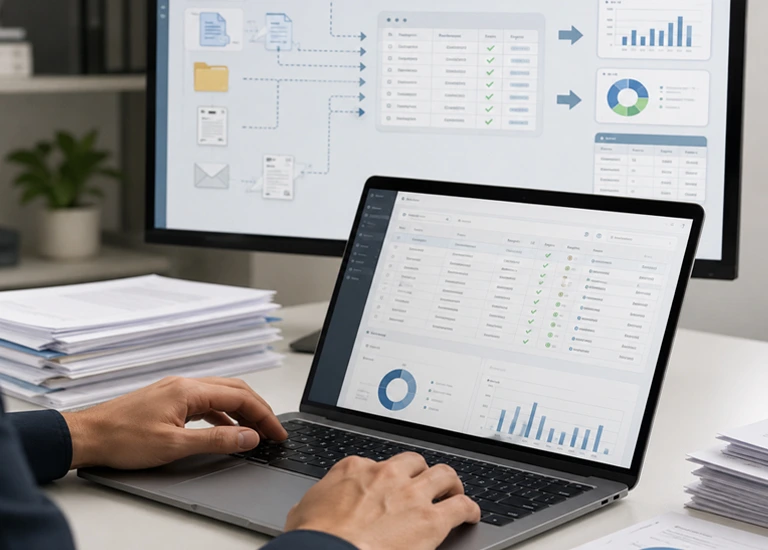
What Are Data Processing Services?
Data Processing Services encompass all processes relating to the extraction, categorization, verification, and manipulation of raw data into an organized format, which can then be utilized for reporting, operations, and decision-making purposes.
The process involves several steps, including data extraction, categorization, cleansing, verification, and formatting. This ensures the data is organized, accurate, and usable.
Data processing differs from regular data entry services in that it emphasizes the improvement of data quality and usability, rather than just data input.
What Tasks Are Included in Data Processing Services?
Data processing service includes many back-office data management processes :
Data Extraction
- Collection of data from papers, PDFs, Excel sheets, and other sources
- Transformation of raw data into useful information
Data Cleansing
- Elimination of redundant, incomplete, or inaccurate records
- Consistency of data
Data Verification
- Verification of data using predetermined criteria
- Matching of data for completeness and accuracy
Data Formatting and Structuring
- Arrangement of data into standardized formats
- Preparation of databases for CRM, ERP, or internal purposes
Data Standardization
- Harmonization of data across several sources
- Uniformity of data names and formats
Data Integration Services
- Preparation of data for integration into another system
- Integration with an application programming interface or database
How Do Data Processing Services Work?
Data processing follows a systematic workflow designed to maintain accuracy and control at every stage.
Step-by-Step Process
| Stage | Description |
|---|---|
| Data Collection | Receiving raw data from various sources |
| Data Assessment | Identifying format, quality, and processing requirements |
| Data Cleaning | Removing inconsistencies and errors |
| Data Structuring | Organizing data into required formats |
| Validation | Applying quality checks and verification rules |
| Final Output | Delivering clean, structured, usable data |
Each stage includes defined checks to ensure that data meets business requirements before final delivery.
Who Are Data Processing Services For?
These services are provided to organizations that deal with significant amounts of data but need organized processing without developing an in-house team.
Some Typical Users Are:
e-commerce organizations that deal with data about their products and customers
Software-as-a-service organizations that process data about their users and operations
Financial institutions that deal with data about their transactions
Healthcare data management that deals with data about their clients and operations
Operations organizations that deal with data about orders and shipments
Common Business Use Cases
The data processing solutions help perform many activities in various sectors:
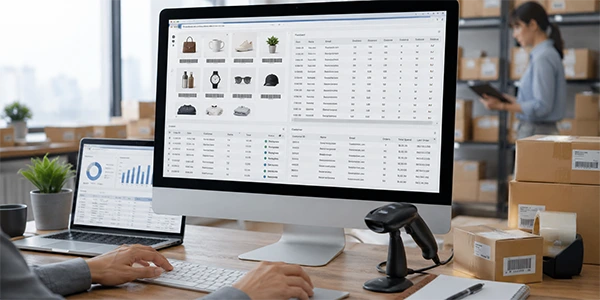
eCommerce
- Catalog management
- Organization of order and customer data
- Standardizing inventory data

Finance & accounting
- Processing transactional data
- Verification of invoice and billing data
- Financial data processing
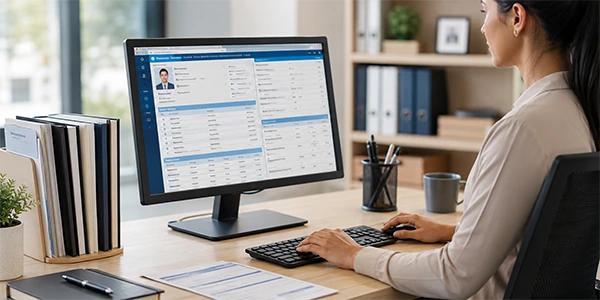
Health care support
- Data structuring for medical data
- Processing patient records
- Administering administrative data

Administration
- Cleaning up CRM data
- Verification of lead data
- Organizing internal reporting data
Key Benefits of Data Processing Services
Workflows can be set up such that data is always checked and cleaned prior to any action.
Through standardization, one can ensure consistency in data among several systems.
It will be easier for teams to deal with more data without disturbing any workflow.
Internal teams can dedicate themselves to their respective responsibilities.
The process makes decision-making easier.
Quality Control and Reporting
Quality control measures in data processing service include :
Multiple-stage validation tests
Data validation rules
Data conversion processes
Error identification and correction procedures
Customer support operations
Periodic evaluation of the accuracy and quality of the processing results
Organizations usually receive organized results accompanied by process transparency, enabling them to evaluate the performance of the process without managing the process itself.
Data Security and Compliance Considerations
Dealing with business data demands the utmost consideration for security and privacy.
Issues to take note of are as follows :
- Data access control process
- Data transfer security process
- Processing sensitive data through processes
- Industry-specific data handling process
- To keep data safe during the entire process
These measures ensure that data remains protected throughout the processing lifecycle.
How Data Processing Differs from Data Entry
| Aspect | Data Entry | Data Processing |
|---|---|---|
| Scope | Inputting data | Transforming and organizing data |
| Focus | Speed and volume | Accuracy and usability |
| Complexity | Basic | Multi-step workflows |
| Output | Raw data | Structured, validated data |
Database entry is often a subset of data processing, but processing involves deeper validation and transformation.
Onboarding and Implementation
The initial process of engaging in the services for data processing generally includes the following stages:
Understanding of Data Sources and Objectives
Formulating Process Steps and Quality Measures
Running the process for testing purposes using sample data sets
Implementation of operations on a larger scale
This structured onboarding ensures that processes align with business needs before full implementation.
Why Structured Data Processing Matters
Unstructured or inconsistent data can affect reporting, customer satisfaction, and process efficiency. Data processing creates a structured way of information movement and assists in decision-making for businesses.
Data processing can be outsourced to ensure that a specialized team is involved without increasing complexity for the organization.

Frequently asked questions
What are data processing services?
It includes the processes of organizing, cleansing, validating, and converting raw data into usable information.
How does data processing differ from data entry?
While data entry involves entering data, data processing includes cleansing and validating data along with its proper organization.
Which kinds of data can undergo processing?
Data that can come from spreadsheets, PDF files, CRM solutions, and many more can go through data processing.
Is data processing relevant to small businesses?
Especially in cases where a company is collecting increasing amounts of data and does not have a team of specialists.
What ensures accurate data in this process?
By conducting multiple validations and following certain rules and procedures.
Is data processing useful for system integration?
Processed data can be prepared for integration with other enterprise tools such as CRM or ERP.